
Civil Engineering Division
Civil Engineering oversees design and construction of the City’s infrastructure as well as providing information to the public and other city departments. Infrastructure includes streets, stormwater drainage facilities, and other capital improvements. Civil Engineering is divided into three (3) sections: public projects; private development; and special programs.
Location: Civil Engineering offices are in the Public Works administration building located at 701 West Markham Street, Little Rock, Arkansas, 72201. Office hours are from 8:00 AM to 5:00 PM, Monday through Friday.
Public projects include streets, drainage, and other public facilities (exclusive of buildings) paid for by the City of Little Rock or other public funds and intended for public use. Private consultants or in-house personnel design publicly funded projects within the City. In addition to project design, this team is also responsible for land and right-of-way acquisition and bidding projects for construction. The staff land surveyor can sometimes assist with questions or concerns about right-of-way widths and locations. Another team is responsible for administering the construction contracts and insuring the project is constructed as designed and in a timely manner.
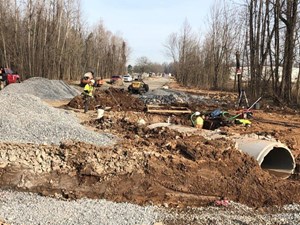
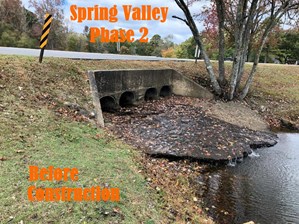
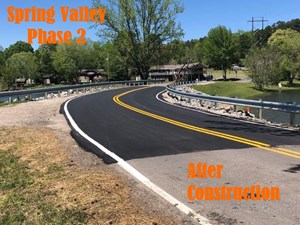
Franchise permits are issued for private use of public property such as outdoor dining on sidewalks and installing sprinklers or landscaping in the public right-of-way. Other work and uses within the public right-of-way is permitted through Traffic Engineering including utility and street work. associated with new development. A traffic control or barricade plan is required for this type of work.
Approximately $170 million dollars has been allocated to Public Works since 2012 for capital improvements of streets, drainage, traffic signals, street resurfacing, sidewalks, and trails. For more details on current and recent capital improvement projects for streets and drainage, refer to the links shown below.
For more details regarding the City of Little Rock’s project designs and plans, please follow this link to the City of Little Rock Plan Development and Project Design Guidelines 2018. For Civil Engineering applications, details and manuals, please follow this link: Applications, Details and Manuals.
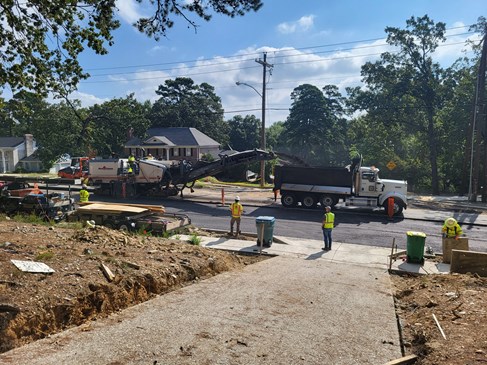
North Rodney Parham – Road Reconstruction Project
This piece of grinding equipment extracts the pavement down to the base loading 15 cubic yards of material into the dump truck within about 3 minutes.
The Civil Engineering Division keeps a file of citizen requests for future projects. To have your project considered for future funding, fill out the online Infrastructure Project Request form. Please be aware funding allocations are seldom sufficient to fulfill all requests and that future capital improvement programs are subject to approval by the Little Rock Board of Directors.
Stormwater quality management refers to the development of programs, requirements, ordinances, policies and practices to preserve, enhance, and/or control the quality of stormwater runoff to reduce erosion and reduce the frequency and severity of flooding. Part of the City’s mission is to educate the public and businesses on storm water quality management, pollution prevention, and to advise of permitting requirements respective to protecting our creeks, rivers, and lakes to improve our lifestyle, natural environment, and considerate use of water resources.
Stormwater runoff is generated when precipitation from rain and snowmelt events flow over land or impervious surfaces and does not percolate into the ground. This surface runoff either flows into surface waters (creeks, rivers, lakes, etc.) or is channeled into storm sewer systems, which will carry the runoff to nearby waterbodies. Unlike sanitary discharges, storm water discharges are (in most cases) not treated. Stormwater has been shown to be one of the leading contributors to pollution of urban waterways, therefore certain stormwater discharges are regulated by the Environmental Protection Agency (EPA), the Clean Water Act (CWA) and the National Pollution Discharge Elimination System (NPDES).
Stormwater runoff can be managed through implementation of structural and non-structural controls, best management practices (BMPs) designed to control erosion and sediment transfer, and waste control measures. Public involvement and public education are important so that an understanding of stormwater control is gained.
Municipal Separate Storm Sewer System (MS4) Stormwater Quality Management Permit
The Arkansas Department of Energy and Environment, Division of Environmental Quality (DEQ) has issued the City of Little Rock Stormwater Quality Management Permit (SWQMP), Permit Number ARS000002 to regulate storm water quality throughout its municipal separate storm sewer system (MS4). The Permit referred to as MS4 Permit under the NPDES and Arkansas Water and Air Pollution Control Act regulates municipal discharges from the Municipal Separate Storm Sewer System. Under this permit, the City of Little Rock, in tandem with the Arkansas Department of Transportation, have equal right and responsibilities of maintaining and managing stormwater quality throughout the City.
The Permit regulates stormwater quality through the six (6) minimum control measures as defined by EPA and subsequently DEQ:
- Public outreach and public education of stormwater quality impacts
- Public involvement and participation
- Illicit discharge detection and elimination
- Construction site stormwater runoff control
- Post-construction stormwater management in new development and redevelopment
- Good housekeeping for municipal operations
The Permit also establishes compliance, monitoring, record-keeping and reporting requirements for both co-permittees. The Permit was renewed by DEQ in 2020 where several small revisions were inserted to be incorporated into practice by the end of the Permit term.
Under the City’s MS4 Permit requirements, regular sampling of municipal stormwater discharge is conducted at several outfalls throughout the city. Samples are analyzed for known water quality parameters to assure pollutant levels stay below allowable limits to promote and preserve the health of local creeks, rivers and lakes. Sampling results must be periodically reported to EPA and Arkansas Department of Energy and Environment, Division of Environmental Quality (DEQ). City staff also conduct periodic inspections to ensure stormwater runoff from construction sites is controlled, as well as detect and investigate suspected illicit discharges.
Residents may report suspected illegal stormwater discharges, improper disposal and dumping by calling the City’s non-emergency Reporting System (3-1-1) or using the free app developed for reporting.
The enforcement program utilizes the City’s citation authority to ensure compliance and reinstatement of water quality in cases where direct intervention is necessary.
Stormwater Quality Management Program
The city has developed the Stormwater Quality Management Program to address all the requirements expressed in the MS4 Permit, to protect water quality and comply with federal and state requirements. The City of Little Rock’s Stormwater Quality Management Program is a comprehensive program consisting of various program elements and activities designed to reduce pollutants to the Maximum Extent Practicable (MEP) and eliminate prohibited non-stormwater discharges through NPDES municipal stormwater discharge permit.
Annual Reports
The City of Little Rock, together with ARDOT provides annual compiled, detailed reports to DEQ to illustrate the efforts and progress made to comply with all the components of the MS4 Permit, according to prescribed control measures.
In addition to information gathered by various City departments, the City conducts its own stormwater discharge monitoring and analysis through its five (5) permitted outfalls, the result of which is explained and interpreted in the Annual Report.
The Annual Report provides data and interpretation of continued efforts, progress, and development in all aspects of stormwater management. Annual Reports are due by April 1st of each year.
For more information on Stormwater Quality Management:
- EPA Clean Water Act – epa.gov laws-regulations summary-clean-water-act
- NPDS Permit Requirements – adeq.state.ar.us water permits NPDES
- ARDOT Stormwater Management website – ardot.gov divisions environmental natural-resources stormwater-welcome-page
- Information for proper disposal of household hazardous waste and motor vehicle fluid – Pulaski County Regional Solid Waste Management District (PCRSWMD) regionalrecycling.org
- City of Little Rock stormwater management brochures Commercial construction – Commercial construction
- Residential construction – Residential construction
- Household hazardous waste – Household hazardous waste
- PAGIS – Stormwater Web Mapping Application
- Drain Smart – engaging public-education
The City of Little Rock is permitted to discharge stormwater by the State of Arkansas under specific requirements which are detailed in the City’s Stormwater Discharge Quality Management Permit (Municipal Separate Storm Sewer permit (MS4 permit) – ARS000002).
- The regulating state agency is the Arkansas Department of Energy & Environment (ADEE), successor in title to the Arkansas Department of Environmental Quality (ADEQ), of which the Department of Environmental Quality (DEQ) is tasked with managing environmental permits and inspections.
- The City of Little Rock is considered a “phase 1 municipality” by DEQ and by the Environmental Protection Agency (EPA). EPA created “phase 1” of the National Pollutant Discharge Elimination System (NPDES) program in 1990, which included medium and large municipalities (with population of 100,000 people or larger), large construction sites that disturb more than 5 acres and the initial 11 categories of industrial activities
.Phase 2 extended the requirements to smaller municipalities as well.
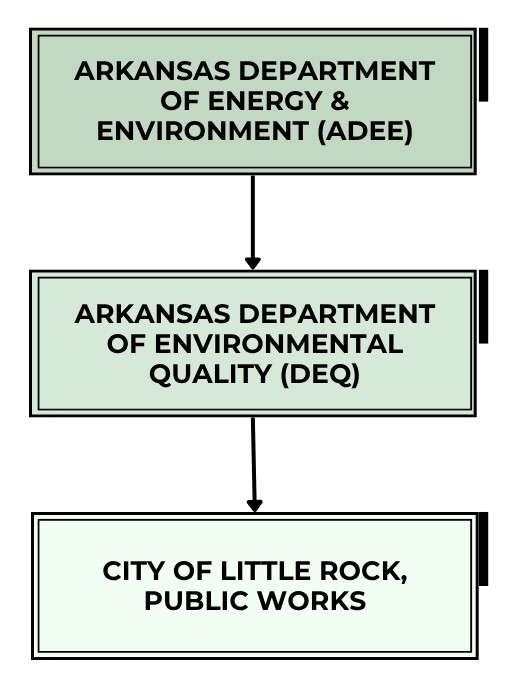
In 2020 DEQ added a new section to the current MS4 permit of the City of Little Rock, titled “Industrial Runoff”.
This section details the requirements for the City of Little Rock to “inspect”, “monitor” and “enforce” compliance requirements of industrial facilities with their DEQ-issued stormwater discharge permit (Industrial General Permit / IGP).
The industrial stormwater discharge monitoring program, though it is part of stormwater-management, is a separate requirement and completely separate program from construction site runoff control and the requirements of the City of Little Rock Stormwater Drainage Manual, adopted in 2025.
The City of Little Rock is the first and only MS4 with the Industrial stormwater discharge monitoring MS4 permit component in the State of Arkansas.
On November 4, 2024, the City of Little Rock Board of Directors approved Ordinance No. 22,544 to amend Chapter 29 of the Municipal Code (“Stormwater Management and Drainage”) to add a new article: Article VII: “Industrial Stormwater Discharge Monitoring Program”.
After the Ordinance was approved, the Public Works Department notified industrial facilities of the existence of the new program and organized a public meeting on April 24, 2025, where all aspects of the program were discussed, and participants had a chance to address City staff with questions to clarify any details.
The goal of the program is to protect our creeks, streams and wetlands for the future of Little Rock without placing an additional burden on the industrial facilities involved in this program.

Frequently Asked Questions
What types of facilities are included in this program?
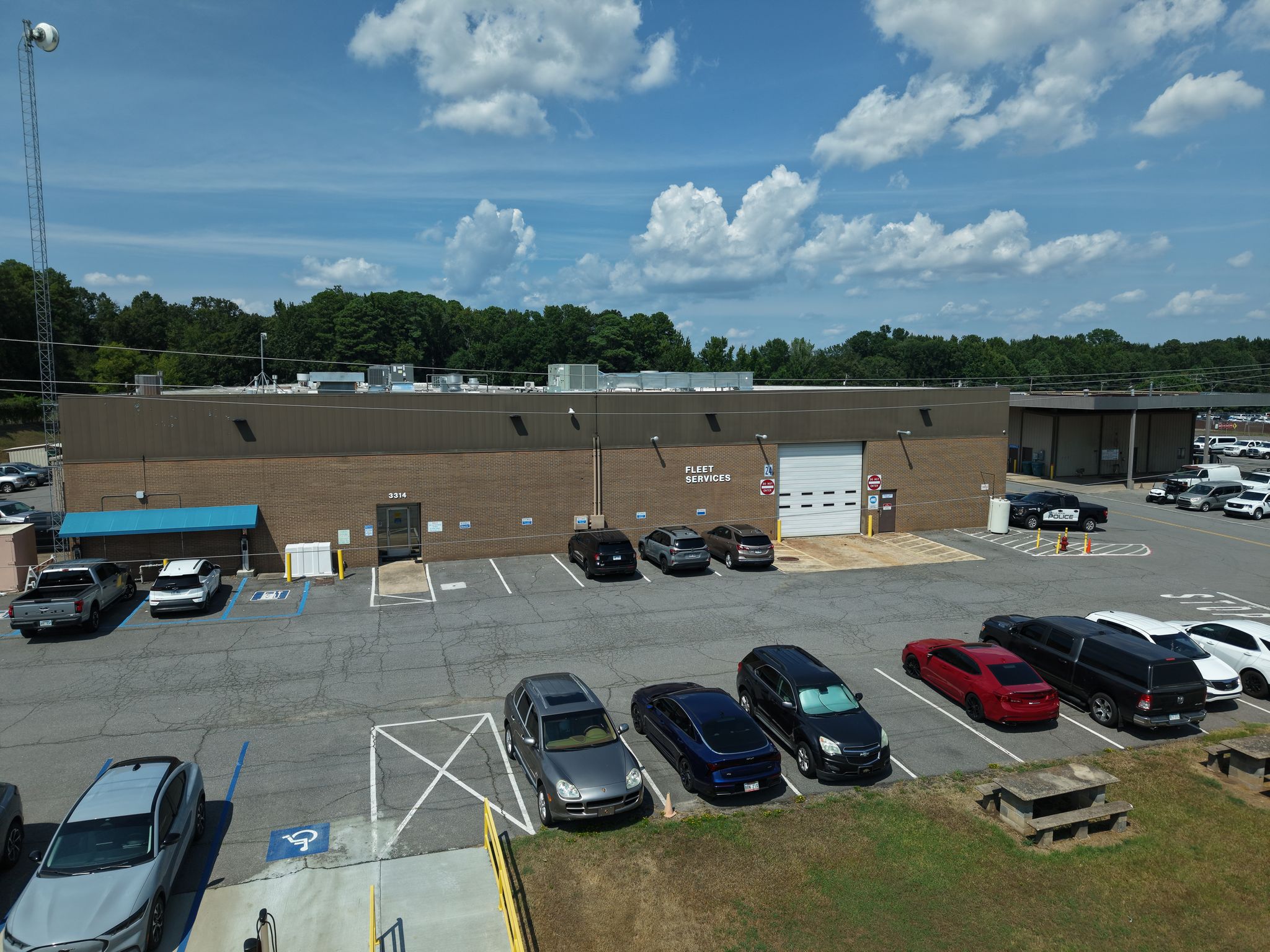
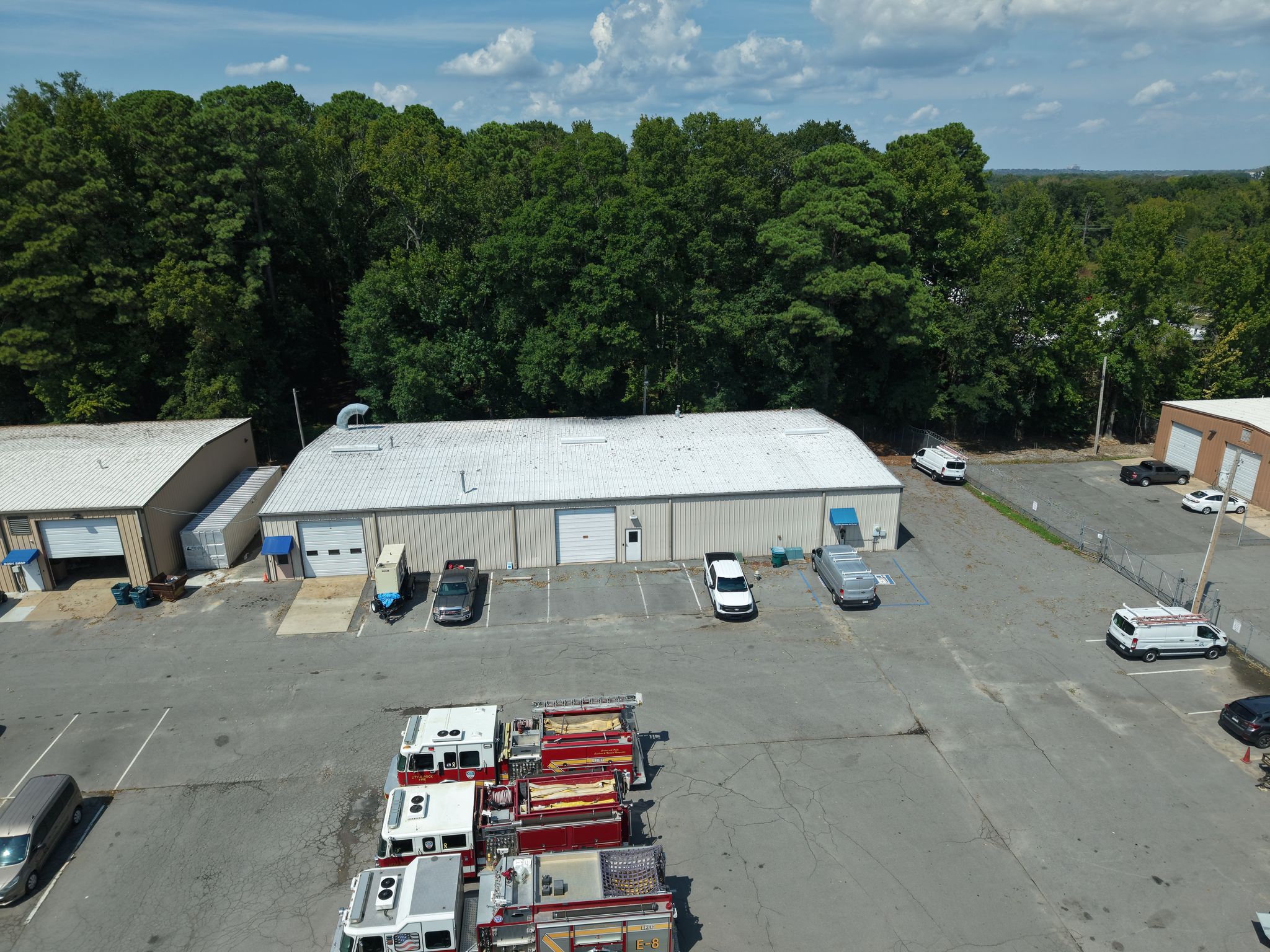
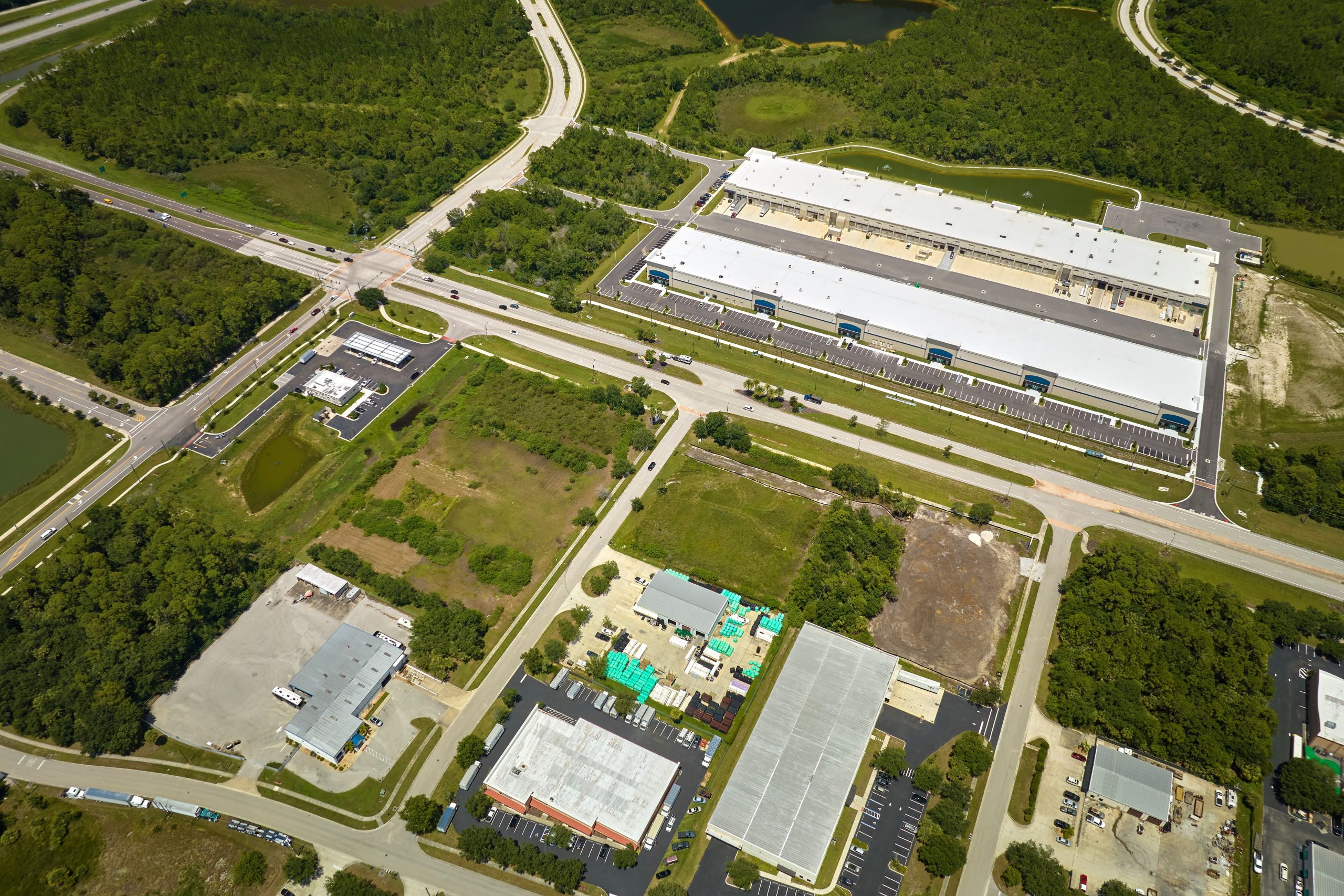
- Any industrial facility that may contribute a substantial pollutant load to the MS4, as determined by the Public Works Department of the City
- Facilities currently holding an active Industrial General Permit with the State
- Facilities subject to SARA Title III facilities (facilities or industrial sites that store, use or release specific hazardous or toxic chemicals above the legal limit amounts
- Operating or closed municipal landfills
- Treatment, storage, or disposal facilities for municipal waste
- Hazardous waste treatment facilities.
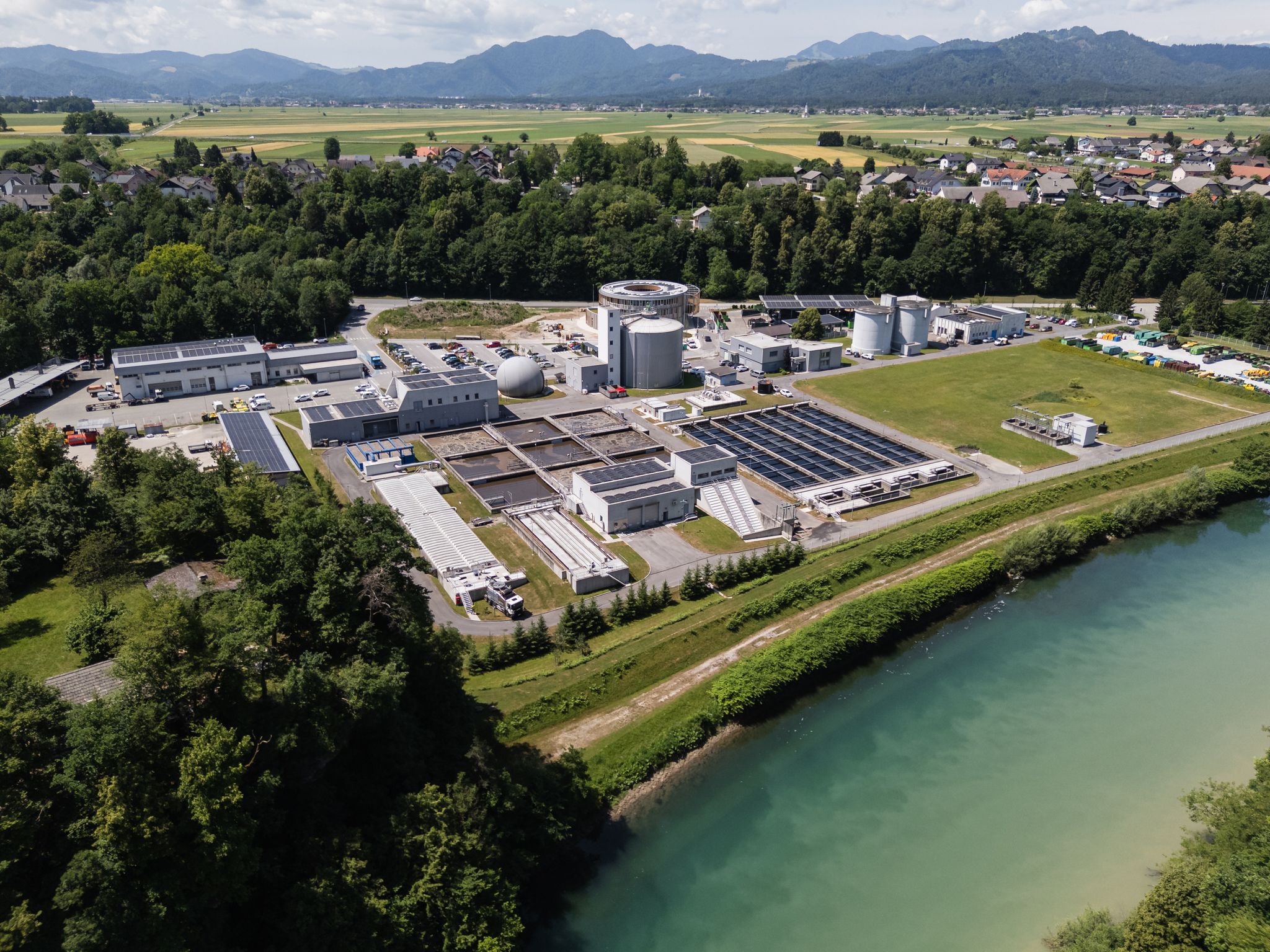
What does the program mean for industrial facilities?
The City of Little Rock, Public Works Department (the City), will work with facilities to maintain their compliance with their IGP permit through the following actions:
- The City will issue selected facilities a Document Submittal Request. Facilities will have thirty (30) calendar days to comply with the request.
- A Notice of Inspection will be provided to the same selected facilities at least seven (7) calendar days prior to the inspection date.
- At the conclusion of the inspection City staff will compile a report to each inspected facility.
When will inspections start and what is their expected frequency?
All identified facilities in the program will be inspected at least once in the City’s MS4 permit term of five (5) years. Some facilities, depending on their potential hazard and IGP compliance status may require repeated inspections. The City will notify all facilities of their upcoming inspection schedule.
What can facilities expect during inspections?
- Prior to the in-person visit, City staff will review all documents submitted and required by the facility’s IGP for permit compliance.
- During the inspection, City staff will meet with the facility’s delegated responsible staff, become familiar with the industrial facility grounds materials production processes, discharge outfalls, permit compliance procedures, and potential sources of stormwater pollution.
- City staff will document their inspection findings with photographs or video recordings, shall make photocopies of compliance-related documents, and collect measurements and samples, if required.



What happens if non-compliant items are found during inspections?
- After the inspection, City staff will contact the delegated facility to share the results of the inspection.
- The Summary of Findings will detail items found to be compliant or non-compliant with the facility’s IGP and items where possible improvements are needed to achieve complete compliance.
- It will be each facility’s responsibility to evaluate the listed items and propose realistic solutions to bring each item into compliance within a realistic, estimated time period in the form of a Corrective Action Plan.
- Facilities shall submit their Corrective Action Plan to the City within thirty (30) calendar days of the date of the Summary of Findings.
The Corrective Action Plan shall be measurable, timely, accountable and divided into specific steps with timelines and details of implementation.
- The City will evaluate the Corrective Action Plan and work closely with facilities to ensure their progress.
- Affected facilities shall submit periodic Compliance Progress Reports, where they detail the following: their corrective action steps, whether they have hit their self-identified compliance milestone(s), item(s) ready for compliance verification and proposed re-inspection(s).
To demonstrate their progress facilities may include photographs and video recordings, sampling and monitoring results, etc.
- All corrective actions shall be completed within six (6) months from the date of submission.
- Failures to submit requested documents, incomplete or late submissions that may delay site inspections, failure to adequately correct permit non-compliances without valid reasons will be forwarded for further action to DEQ’s Enforcement Division.
- City staff may verify compliance progress actions by periodic inspections to ensure final compliance.
Is there a fee associated with this program?
The Industrial Stormwater Discharge Monitoring Program is not funded by DEQ or other state or federal agencies. The program is funded and managed by the Little Rock Public Works Department as part the City’s MS4 compliance.
To cover the administrative cost of the program the City must introduce annual fees (the Industrial Stormwater Discharge Monitoring Fee – ISDMF) to all facilities that are determined to be part of this program.
Considering that the program includes facilities varied in sizes and types of industrial operations the Public Works Department made all efforts to develop a fair and equitable fee schedule for all permitted industrial facilities.
Each facility’s fee schedule is based on the potential rate of risk of damage of an unpermitted discharge from the facility would cause the downstream ecosystem and the City’s MS4.
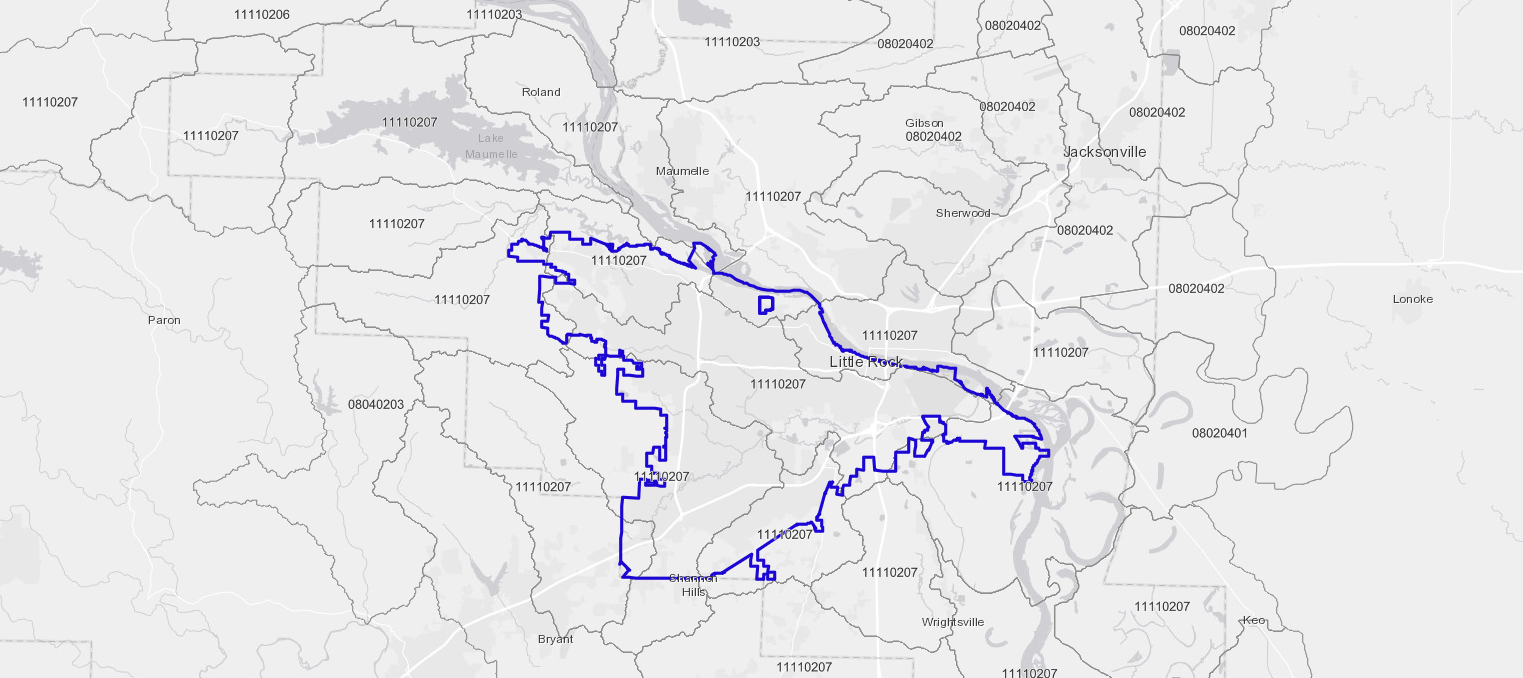
Facilities can verify the risk factors used to calculate their annual fees in the application below by following the below steps:
- Facilities can be searched by company name, facility address or AFIN number. Both the “Search by AFIN” or the “Search by Company Name” fields can be found on the top right corner of the page. To search by the address of a facility use the “Search” field with the magnifier glass.
- The application will zoom to the outlined area of the facility.
- By clicking into the outlined area pertinent facility information will be displayed in a separate pop-up window within the application.
Click the map below to view the GIS Map Tool
All Industrial Stormwater Discharge Monitoring fees are due on an annual basis starting on the 1st of January of each year.
- For the first year invoices will be sent out once the program is established in the City’s financial system. Payments will be due within thirty (30) days of receipt of notifications.
- Going forward payment due notices will be sent out in October of each year with the payments due by January 1st of the following year.
- The annual fee schedule is calculated with a 4% average annual fee increase per facility to account for the prospected annual growth rate.
- In case of delinquency, a 10% penalty will be assessed after 45 days of nonpayment. If payment is not received within the subject year, it shall be added to next year’s annual fee, with the penalties listed above.
Annual Program Fees
Contact Us
Comment Form
Municipal Codes (Sec. 29.45) provide guidance for non-stormwater discharges into the municipal storm sewer system:
- Water line flushing
- Landscape irrigation
- Diverted stream flows
- Rising ground water
- Uncontaminated ground water infiltration as defined at 40 CFR 35.2005(20) to separate storm sewers
- uncontaminated pumped ground water
- Discharges from potable water sources
- Foundation drains
- Air conditioning condensate
- Irrigation water
- Springs
- Water from crawl space pumps
- Footing drains
- Lawn watering
- Individual residential car washing
- Flows from Riparian habitats and wetlands
- Dechlorinated swimming pool discharges
- Street wash water
- Discharges or flows from emergency firefighting activities.
The following initiatives aim to reduce the volume of trash and other floatable contaminants that end up in our waterways and bring attention to the importance of preventing debris and other floatable matters being washed into the storm water system.
Drain Smart
Drain Smart is a program that is intended to engage the general public and express the importance of protecting our environment through captivating street art mural pieces by local artists. Artwork highlights the importance of being aware of the impacts of humans on our environment. The program aims to communicate the function and importance of the local storm sewer system and why the quality of stormwater matters.
Flooding in the City of Little Rock may occur from different sources: either river flooding, flash flooding caused by heavy rains and / or flooding from overloaded storm sewer systems, or combination of all of those sources.
Floodplains are the naturally occurring low areas adjacent to a river, stream or lake that become submerged during floods. These areas act as natural storage for excess water from floods, help to reduce flood peaks, filter pollutants and provide wildlife habitats.
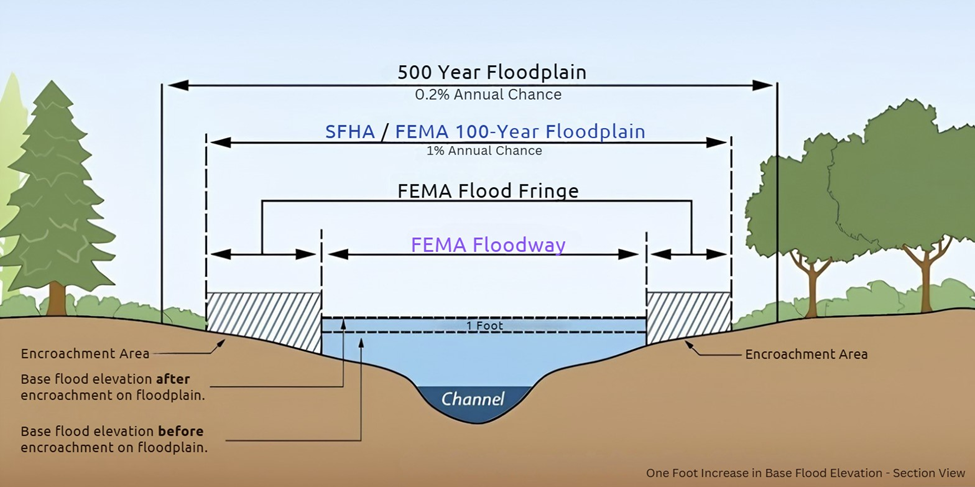
Floodplains are important areas for urban planning and development and environmental management: they act as “regulatory barriers”.
The term Special Flood Hazard Area (SFHA) used by FEMA indicates the high-risk zones of the floodplain and subject to different FEMA National Flood Insurance Program (NFIP) rules and regulations, municipal codes and regulations.
The Public Works Department, Civil Engineering Division administers oversight of compliance with floodplain regulations for properties located in the regulatory floodplain for the citizens of the City of Little Rock.
Developments in areas affected by the nationally recognized SFHA (floodplain) boundaries are regulated by municipal codes and administered by the City’s Floodplain Manager.
Maps
Flooding Awareness Brochure
Development Procedures in the Floodplain
Before & After Flooding
Flood Insurance Information
Elevation Certificates
Community Rating System
Contact Us
Forms
The Special Programs Section of Public Works is primarily responsible for providing information to citizens, other divisions of Public Works, and other City Departments. Special Programs includes Mapping & Graphics, Geographic Information Services, and Public Information.
Address Assignment & Mapping
Mapping & Graphics maintains up-to-date maps of the City of Little Rock. These maps include, but are not limited to, information on City limits, the City street system, subdivision properties, annexation, and capital improvement projects.
The Street Index Book is useful for locating any City street within Little Rock and is revised annually.
Our Addressing Specialist has the responsibility for street address assignments as well as approving new street names. Addresses are assigned to new buildings based on a grid, referenced from the intersection of Markham and Main Streets in downtown Little Rock. Both correct address assignment and review of new street names are crucial for accurate dispatching of 911 services.
Utilizing our robust set of web mapping applications is the most efficient way of accessing mapping data along with various digital Adobe PDF versions of certain map products.
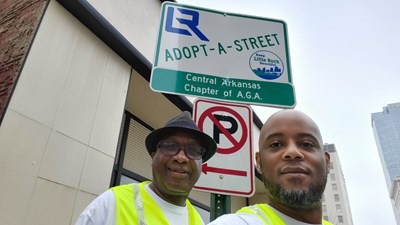
The Public Works Department administers the Adopt-A-Street Program in partnership with Keep Little Rock Beautiful (KLRB). Adopt-A-Street is a program in which neighborhoods, businesses, or individuals can “adopt” a street and pledge to keep streets clean by picking up litter along their adopted street at least four (4) times a year.
The Adopt-A-Street Program has many available streets for adoption and provides a valuable service for our community, affording a great opportunity for citizen and group involvement. This type of opportunity promotes a sense of civic pride as you become an active participant in the effort to make Little Rock a beautiful city we can all enjoy. You can find more information about joining the Adopt-A-Street Program here.
GIS provides geographical representation of data in the City of Little Rock with a computer mapping system. GIS uses a graphical database representing most features that can be seen in aerial photography. This is used with other records and databases containing information about such things as the City’s demographics, locations of various buildings, Police and Fire districts, and infrastructure for mapping and analysis related to needs of the City of Little Rock.
Much of this information is now easily accessible through Online Web Based Applications from the following link to the main page. Applications such as these bring a great deal of information straight to the Citizens of Little Rock in an interactive format which is fairly simple to navigate.
GIS has proven to be a useful management tool and allows Public Works to easily produce a large quantity of specialized information about the City of Little Rock. Public Works is a founding member of PAGIS, the Pulaski Area Geographic Information System, a countywide consortium with mutual interests in operation of a GIS.
The PAGIS website has many useful online interactive mapping applications such as Land Ownership, Water and Waste Water Utilities, Flood Mapping, Parks and Trail Systems, and the Storm Water System Application.
Special Programs coordinates public information programs for the Public Works Department. Information about Public Works services is disseminated to citizens and community groups facilitating a better understanding of Public Works, and encouraging citizens to use the wealth of resources the Department has to offer. Brochures and informational packets, both in printed form and online, are a few of the tools used for customer relations and public information.
Historical Information
For General Public Works Service Requests
Public Works Service Requests and other general information, please call the City’s non-emergency number 3-1-1. You may also access 311 through the Citizen Portal directly online.
| David Hopkins, P.E., Manager | 701 West Markham Street Little Rock, AR 72201 Office: (501) 371-4811 |
| Address Verification & City Limits | (501) 371-4537 |
| Adopt-A-Street | (501) 371-4714 |
| Floodplain/Stormwater Management | Ilona Turley Environmental Compliance Engineer | Floodplain Manager Department of Public Works (501) 371-4835 iturley@littlerock.gov |
| Public Improvement Projects | (501) 371-4820 |
| Special Programs | (501) 371-4714 |
| Email Address | PublicWorks@littlerock.gov |