
Gillam Park
- Location: 5300 Gillam Park Rd., 72206
- Size: 350 acres
- Classification: Large Urban Park
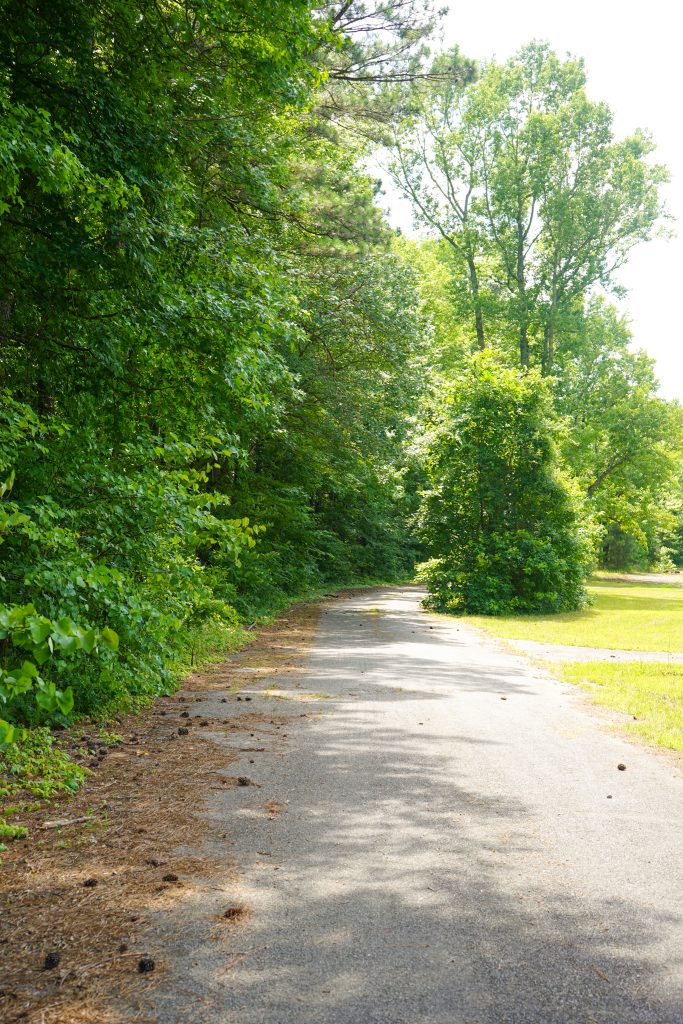
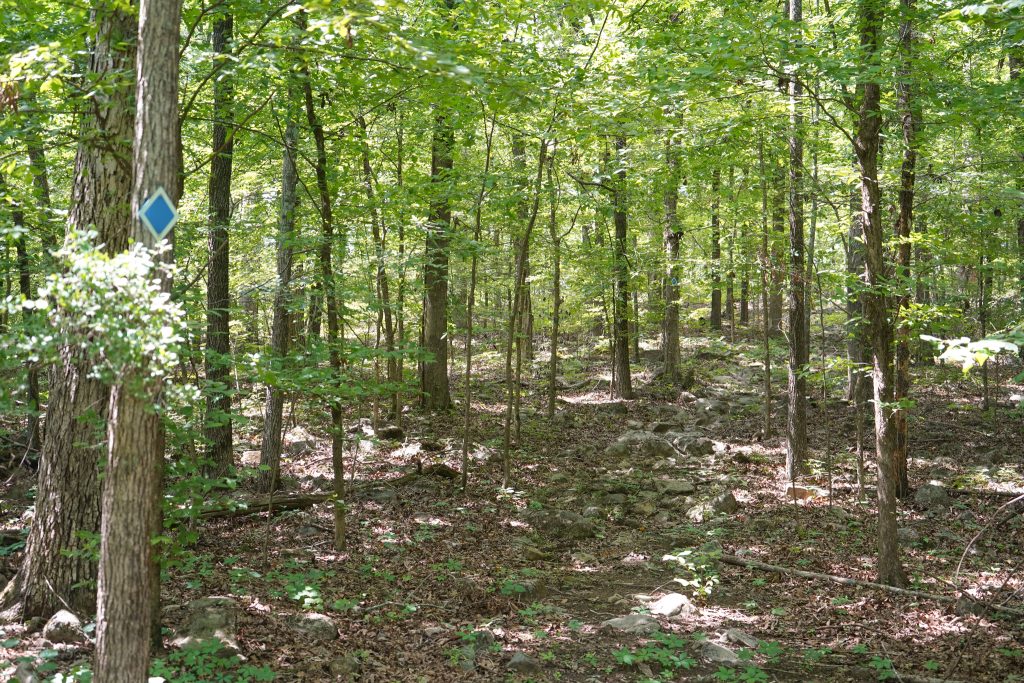
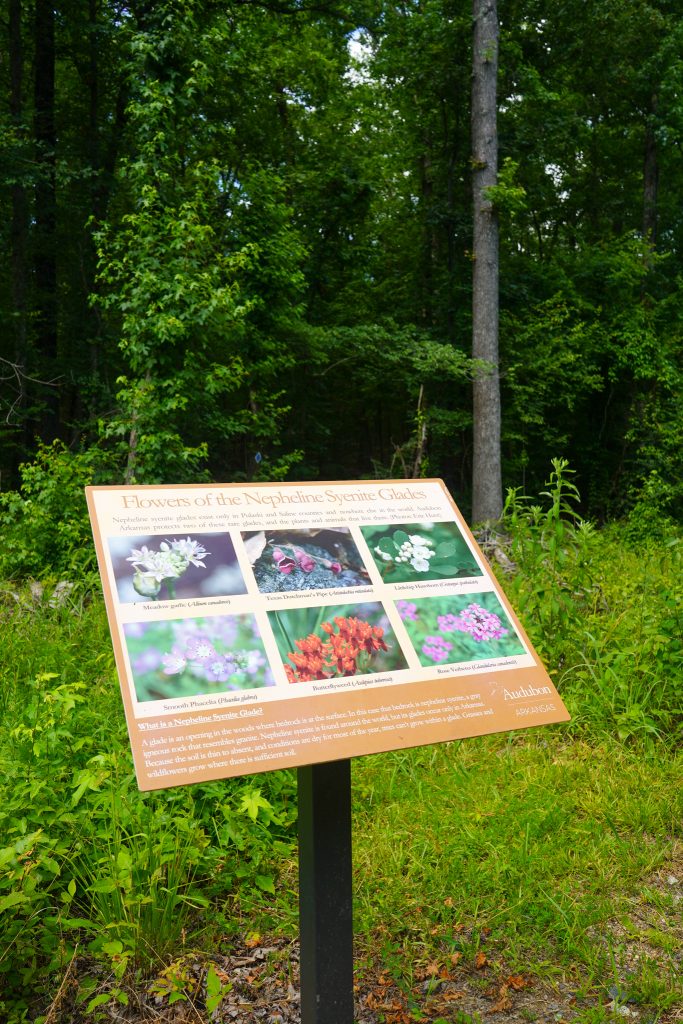
Gillam Park is one of Little Rock’s largest and most unique parks, encompassing 350 acres at the base of Granite Mountain in southeast Little Rock. While the park once featured developed recreational amenities, today it has returned to a more natural landscape, offering visitors miles of hiking trails through forests, granite glades, and diverse wildlife habitat. Adjacent to the Little Rock Audubon Center, Gillam Park provides a peaceful setting for hiking, birdwatching, nature photography, and exploring one of the city’s most ecologically significant natural areas.
History
Gillam Park was acquired by the City of Little Rock through a 1937 bond issue and developed during the late 1930s and 1940s with assistance from the Works Progress Administration (WPA). Early improvements included roads, picnic facilities, and a native stone pavilion completed in 1940, followed by the addition of a swimming pool in 1950. The park is named in honor of Isaac Taylor (I. T.) Gillam Sr., a prominent Little Rock civic leader, Civil War veteran, and former Pulaski County official whose lifelong service helped shape the local community.
During the era of racial segregation, Gillam Park was one of the few major parks and recreational facilities designated for African American residents, making it an important destination for recreation, family gatherings, and community events at a time when access to public parks was unequal. Following the integration of Little Rock’s parks, the site gradually transitioned away from its developed recreational facilities.
Today, much of Gillam Park has been preserved in its natural state, protecting forests, granite glades, and wildlife habitat while providing opportunities for hiking, birdwatching, and environmental education. The park stands as both an important natural resource and a reminder of the city’s evolving history, reflecting Little Rock’s commitment to preserving its natural landscapes while recognizing the communities that shaped them.